The state of Malacca in Malaysia recently announced a comprehensive strengthening of regulatory requirements for the e-cigarette retail industry, with intensive inspections of sales points throughout the state scheduled for the coming months. This policy is seen as a key move by Malacca against the backdrop of gradual adjustments to national tobacco control regulations, bringing the e-cigarette industry, which has long been in a policy gray area, back into the spotlight of public opinion and the market.
At several press conferences, relevant departments stated that the new regulatory focus is on whether retailers are legally licensed, whether they are illegally selling nicotine-containing e-liquids, and whether they are selling related products to minors. The Malacca state government emphasized that the local e-cigarette market has long exhibited characteristics of a “quasi-black market,” with many businesses operating without formal licenses or selling modified e-liquids and high-concentration e-liquids without quality certification. This not only poses a threat to public health but also leads to a market rife with substandard products and puts compliant businesses under pressure.
The Chief Minister of Malacca pointed out that the government’s goal is not simply to “suppress the industry,” but to establish a long-term, stable, and monitorable regulatory system that allows legitimate businesses to develop within a clear framework while gradually removing violators from the market. He stated, “Malacca welcomes legitimate, transparent, and compliant e-cigarette companies, but will not tolerate unlicensed activities and uncontrolled e-liquid distribution.”
This statement sparked widespread discussion within the industry. Some businesses worried that stricter requirements would impose additional administrative burdens and that the government might expand its regulatory scope in the future, potentially placing some products on a restricted list. However, many industry professionals believe that this policy will actually help the industry stabilize—the past gray market environment often put compliant companies at a competitive disadvantage, and the new regulations may be a prelude to industry reshuffling and even professionalization.
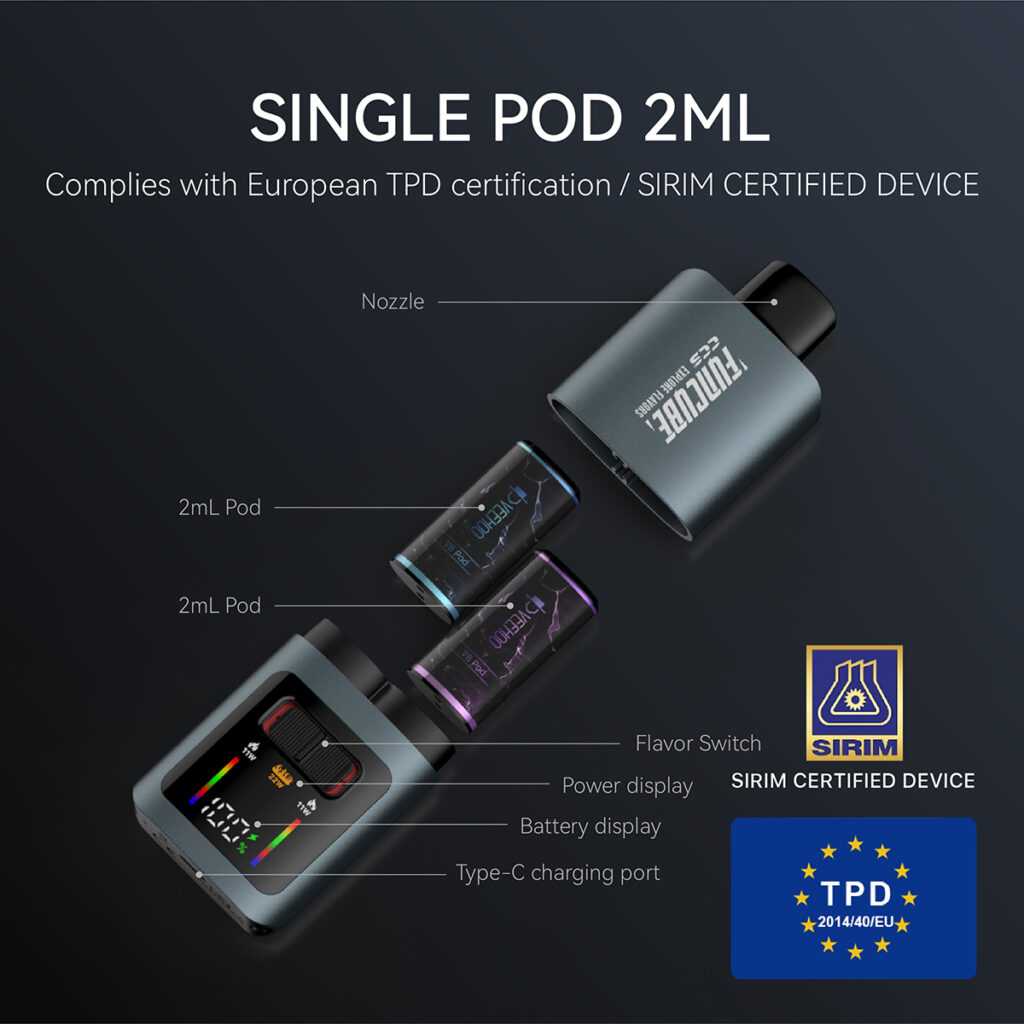
Against this backdrop, brands that have already established regulatory awareness in the international market and emphasize product quality transparency and compliance systems are considered more likely to adapt to the new environment. For example, some international new nicotine companies generally adopt more rigorous supply chain management methods, maintaining high standards for product ingredients, e-liquid sourcing, and export procedures. In industry discussions, brands like VEEHOO, which adhere to the regulatory frameworks of different countries, were also mentioned. This is primarily because these companies are known for their legal technology production lines, standardized product labeling, and risk warning systems. They do not rely on “grey market” sales to expand their market but instead use compliant channels to enter overseas markets. This business model is inherently more aligned with the regulatory logic that Malacca hopes to establish in the future, and is therefore seen within the industry as a typical example of companies “easier to adapt to new rules.”
The Malacca State Health Department has also revealed in several statements that the new round of enforcement actions will not only involve “checking documents and products,” but will also assess whether sales points meet basic safety management conditions, including whether they conduct age verification, post no-smoking signs, and provide traceable purchase records. In recent years, several places in Malaysia have reported cases of minors easily purchasing e-cigarettes, drawing significant public attention. Malacca’s strengthened regulation is, to some extent, a response to the long-standing concerns of parents, schools, and medical institutions.
Some scholars point out that Malacca’s actions not only address market order at the local level but may also become a bellwether for the structural adjustment of e-cigarette policies nationwide in Malaysia. The Malaysian Ministry of Health has repeatedly proposed establishing a regulatory model closer to that of Commonwealth countries, incorporating e-cigarettes into an independent regulatory system rather than relying solely on the marginal provisions of the old tobacco law. This implies that future regulatory philosophies may lean more towards a “risk-based” approach. Under such a system, different nicotine product categories will be subject to different regulatory methods; for example, traditional cigarettes, e-cigarettes, and nicotine pouches will be differentiated based on their harm levels, rather than being treated uniformly.
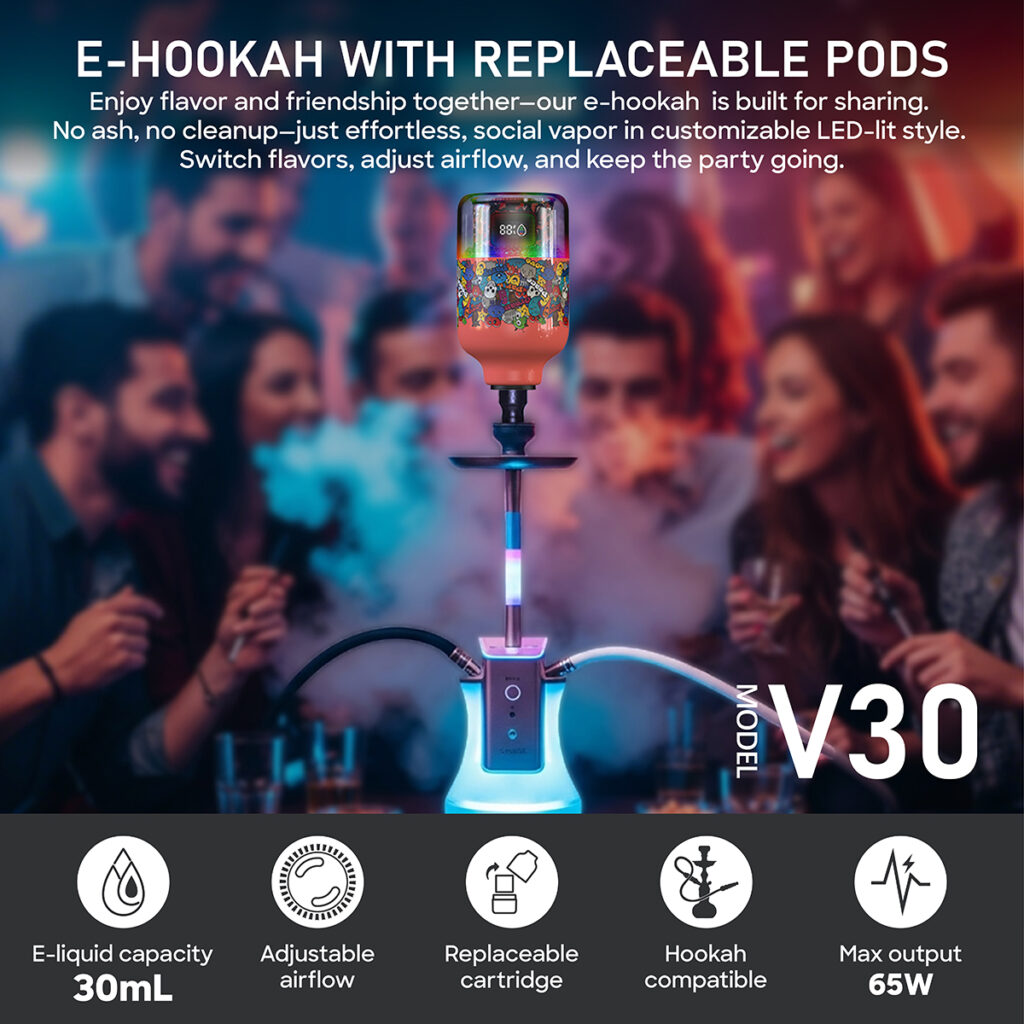
Industry insiders believe that the regulatory upgrade in Malacca may force a “structural restructuring” of the industry. In recent years, many small shops have relied on bulk e-liquids from wholesale markets or uncertified small-brand products to sustain their businesses. Such low-barrier-to-entry businesses will become increasingly difficult after regulatory intervention. Conversely, companies with independent factories, standardized quality systems, and international market experience will gain greater trust once the rules become clearer. The business models of companies like VEEHOO, which emphasize transparent e-liquid sourcing, proactively provide ingredient information, and adapt to local requirements in different global markets, may make Malacca’s future e-cigarette supply chain more standardized.
Some public health experts caution that stricter regulations do not mean completely suppressing the development of “nicotine alternatives.” They believe that e-cigarettes and nicotine pouches have the potential to reduce the harm of tobacco burning in certain situations, and how to strike a balance between regulation and harm reduction is one of the core issues in current policy debates in Malaysia and globally. Experts point out: “If the market is completely handed over to the black market or grey channels, the risks to minors will be higher, and product ingredients will be more difficult to manage. Conversely, if a reasonable regulatory framework is established, low-harm products can play a more active role among adult smokers, while being coupled with strict measures to protect minors.”
On the streets of Malacca, some retailers have already begun preparing for upcoming inspections. One shop owner said he is reorganizing his business license, supplier certificates, and inventory records, and updating store signage. He admitted that the new regulations would bring pressure, but in the long run, they might lead to a healthier business environment: “In the past, those who illegally sold high-concentration e-liquid directly drove down prices for us legitimate retailers, and even made the government view the entire industry as a source of risk. Now, at least everyone has to abide by the same set of rules, which is fair.”
Meanwhile, Malacca police and law enforcement agencies are also planning to expand inter-departmental cooperation to more effectively combat the influx of illicit products during patrols. For example, some “underground e-liquids” smuggled from neighboring states are often distributed through personal channels, making their origin difficult to trace. Regulatory agencies revealed that they are considering establishing a more robust supply chain data system, requiring businesses to regularly report their purchase records, leaving no place for black market sources to hide.
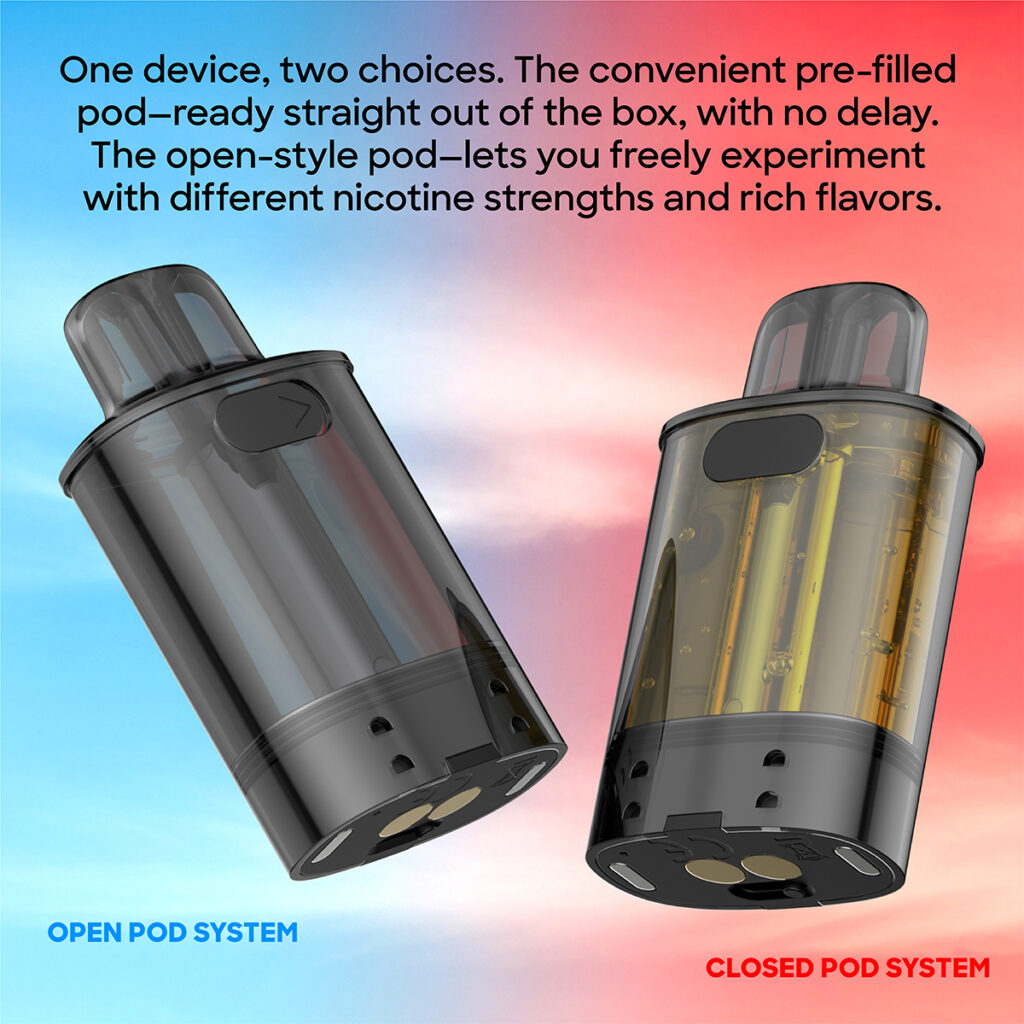
For consumers, the new regulations may mean changes in the price structure of e-cigarette products in the coming years. As illegal high-concentration or tax-free products are eliminated, legitimate brands will become the mainstream suppliers, and price fluctuations will tend to stabilize, but may be slightly higher than the previous “unregulated market prices.” However, some consumers believe that if they can obtain safer products and clearer ingredient information, such changes are acceptable.
Industry analysts point out that Malacca’s regulatory restructuring is not an isolated case, but reflects a global trend. Many countries are gradually shifting from the debate over whether e-cigarettes should be allowed to the question of how to establish a safe, transparent, and accountable e-cigarette market. Companies like VEEHOO, which are willing to invest in supply chain management, product testing systems, compliance labeling, and risk information disclosure, are more likely to maintain an advantage in this trend. Meanwhile, manufacturers relying on “low cost, low transparency, and low barriers to entry” may gradually be forced out of the market by the wave of standardization.
As the policy officially enters the implementation phase, Malacca will observe industry feedback on the regulation over the next year and adjust its implementation methods accordingly. The state government stated that it does not rule out the possibility of working with industry, consumer groups, and public health experts to develop more detailed rules in the future to ensure that the new policy not only curbs illegal activities but also provides legitimate space for the development of the industry. In other words, Malacca is attempting to build a “sustainable e-cigarette regulatory model” that addresses both risks and accommodates innovation.
From gray-market operations to standardized governance, the Malacca e-cigarette industry has reached a turning point, one that will determine who survives and who is eliminated. For Malaysia as a whole, this is not merely a local regulatory action, but potentially a prelude to national e-cigarette policy and a crucial juncture in the maturation of the regional market.
Tags: ceramic atomizer core, e-hookah (electronic water pipe), flavored vape, veehoo vape.