Amidst tightening public health policies across Europe, official data from Spain has garnered widespread attention. A newly released national survey reveals that among Spanish students aged 14 to 18, the use of alcohol, tobacco, and cannabis has fallen to its lowest levels on record. This change not only shatters the long-held perception that “adventure behaviors among teenagers are irreversible,” but also provides a thought-provoking example for global discussions on tobacco and nicotine regulation.
Unlike previous discussions that focused solely on “prohibition” and “punishment,” this time the data itself appears remarkably sobering. It doesn’t point to a simple causal relationship with a particular product or industry, but rather presents a more complex social picture: adolescent behavior is changing, but the driving force behind this change is not a single policy, but rather the result of multiple factors accumulated over a long period.
According to the survey results, the proportion of Spanish secondary school students who drank alcohol, smoked, or used cannabis in the past year has significantly decreased compared to the previous survey. The decline in traditional cigarette use was particularly significant, with the proportion of people in certain age groups who had “tried smoking” approaching its lowest point in two decades. Simultaneously, cannabis use also declined, reversing the relatively stable or even slightly increasing trend of previous years.
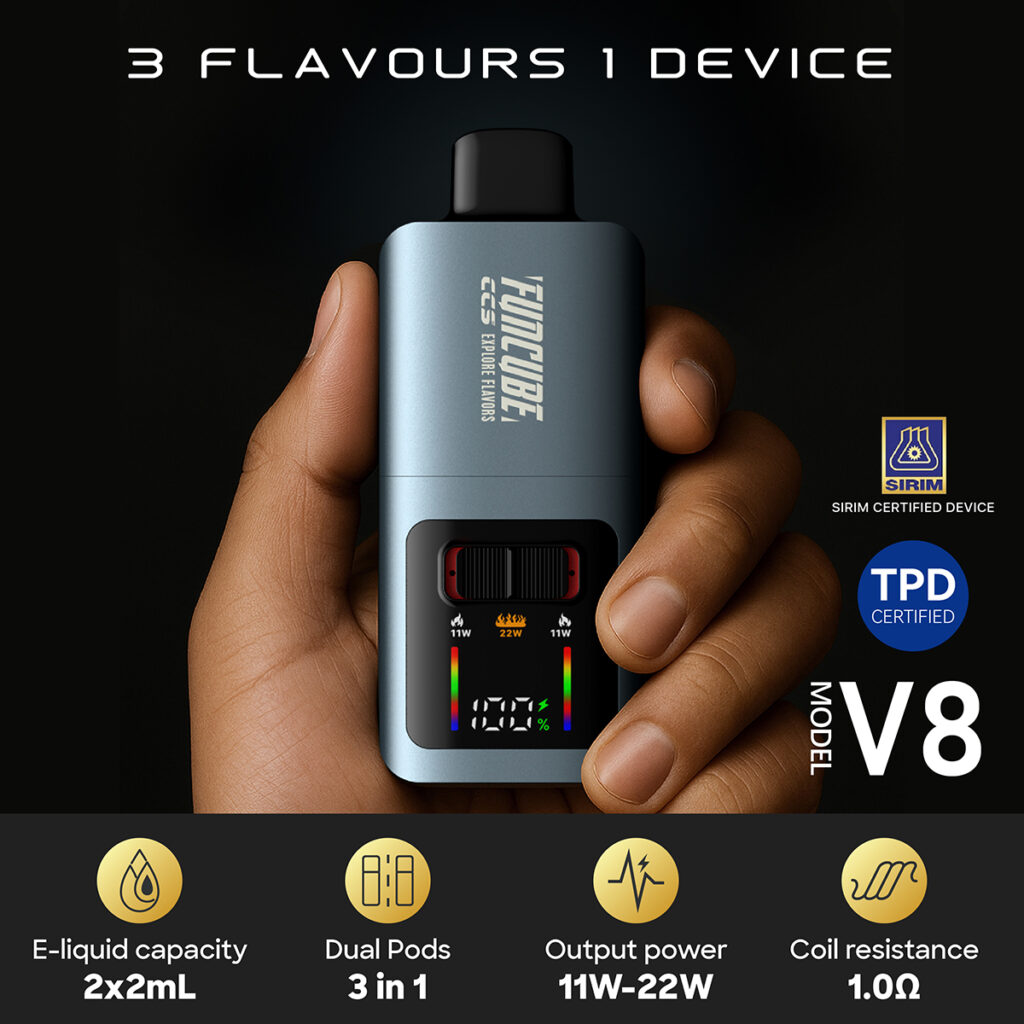
Spanish public health researchers believe this result is not accidental. Over the past decade, Spain has gradually established a relatively stable governance framework for the protection of minors, including stricter enforcement of sales regulations, clearer boundaries in school education, and continuous regulation of advertising and social media content. These measures, while not always controversial, have changed the environment in which teenagers access related products in the long term.
It is worth noting that this data does not shy away from the complexities of reality. The survey also points out that teenagers’ “cognition” of nicotine, alcohol, and other stimulants is changing. Compared to simple curiosity or imitation in the past, the current student population has a more mature understanding of health risks, social evaluation, and self-control. This change has been described by some researchers as a “natural manifestation of generational differences.”
This trend has also attracted attention at the industry level. For a long time, tobacco and new nicotine product manufacturers have been at the center of public discussion. However, in the Spanish case, the regulatory focus was not simply on the production end, but rather on the crucial issue of “how to prevent minors from accessing these products.”
Taking e-cigarette products as an example, Spain has continuously strengthened product compliance requirements in recent years, imposing strict restrictions on sales channels, packaging labeling, and marketing. Regulatory authorities have repeatedly emphasized that any marketing targeting minors will be considered a violation. This high-pressure approach has led the market to gradually shrink towards compliance and transparency.
In this process, the role of the manufacturing end has also changed. Some e-cigarette device factories targeting the international market have begun to place greater emphasis on regulatory compliance and production standards, rather than simply pursuing scale expansion. VEEHOO is a representative example. As a manufacturing company primarily engaged in OEM and ODM business, its factories need to adjust product design and production processes according to the differences in regulations in different countries when serving different markets.
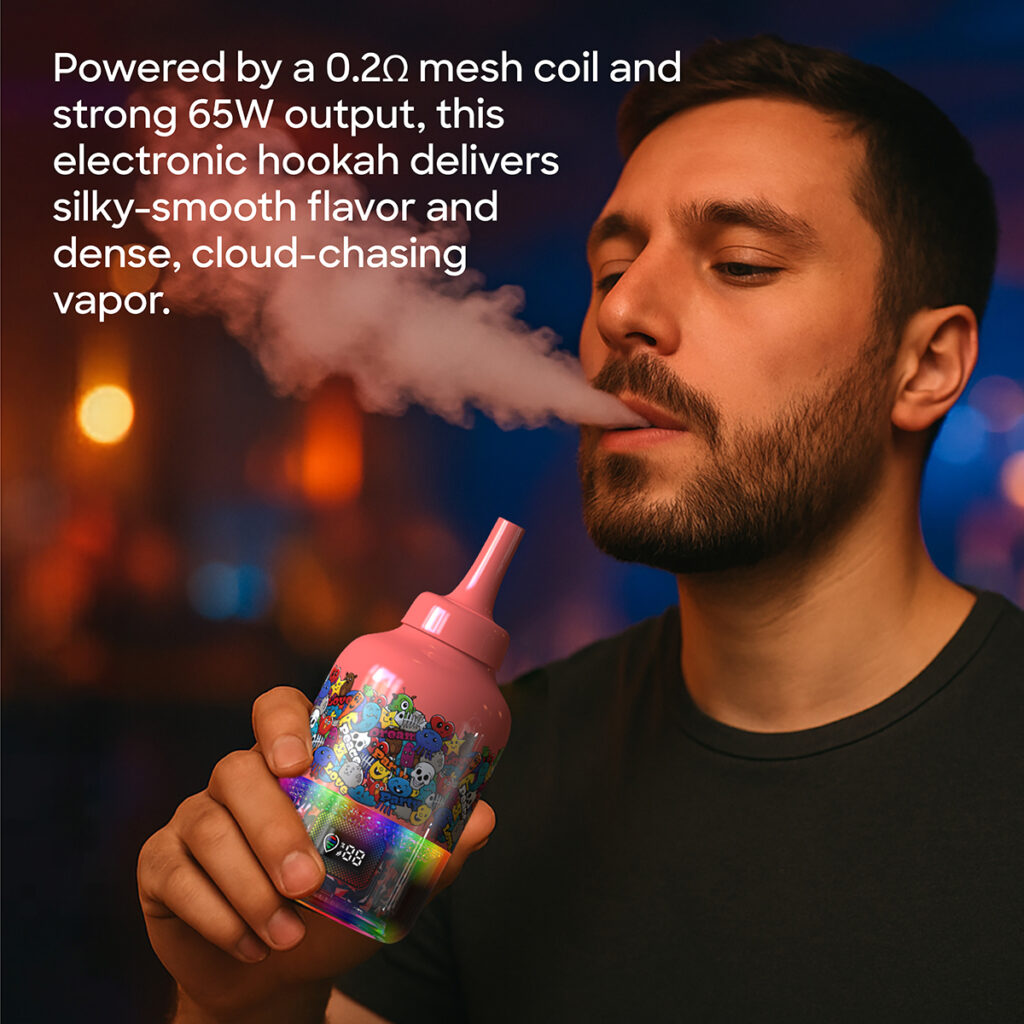
Industry insiders point out that manufacturing companies like VEEHOO primarily act as “infrastructure providers,” meaning they manufacture and implement hardware and technology according to the compliance requirements of brands and target markets, without directly participating in retail or marketing. This division of labor has become clearer in an increasingly regulated environment and is more easily incorporated into the existing legal framework.
Data from Spain shows that the decline in underage usage has not been accompanied by a significant expansion of the black market, a phenomenon uncommon in Europe. Some researchers believe this is related to the stability of law enforcement and social consensus. When rules are clear enough and enforcement is consistent enough, teenagers are less likely to be pushed into “underground choices.”
Meanwhile, the roles of schools and families are equally important. Surveys show that Spanish teenagers receive more systematic health education in schools, moving beyond simple “prohibition statements” to focus more on self-decision-making, risk assessment, and social responsibility. This educational approach is considered helpful in reducing backlash.
From a broader perspective, the changes in Spain also reflect a broader trend across Europe. In several EU member states, teenagers are becoming more cautious about tobacco and alcohol. Changes in online entertainment, social structures, and lifestyles have objectively reduced traditional gatherings for drinking and smoking.
However, this does not mean the problem is solved. The Spanish health authorities, in releasing the data, emphasized that the downward trend still needs to be monitored, especially given the emergence of new products. Regulation and education need to be dynamically adjusted. Any relaxation of vigilance could cause these hard-won achievements to be reversed.
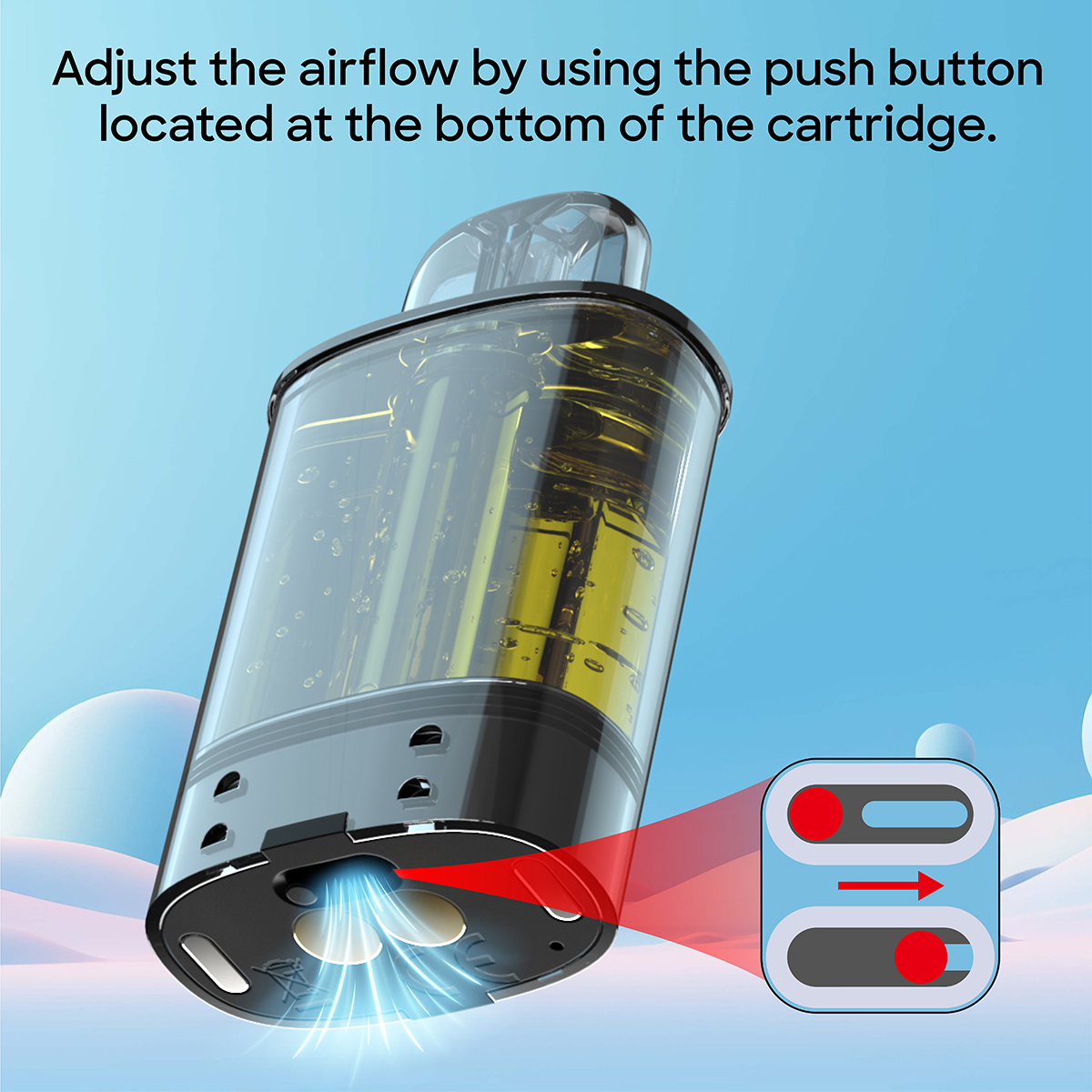
For the industry, this data also sends a clear signal: future market competition will no longer be just about technology or price, but a comprehensive test of compliance capabilities, risk control, and long-term responsibility. Whether it’s brands or factories like VEEHOO that provide OEM and ODM services, they need to consider regulatory expectations in advance during design, production, and supply chain management, rather than reacting passively.
The record low usage rate among Spanish teenagers does not signify a victory for any one side, but rather represents a phase in the process. It reminds policymakers that a single approach is insufficient; it also reminds industry participants that regulation does not necessarily inhibit development, but may instead bring more stable expectations to the market.
Now that the decline has become a reality, the real issue worth discussing is perhaps not whether the ban is strict enough, but how to continuously guide more rational choices amidst the complexities of reality. This is precisely the most valuable lesson the Spanish case offers to the international community.
Tags: ceramic atomizer core, e-hookah (electronic water pipe), OEM ODM, veehoo vape.