A recent survey in Thailand on e-cigarette use has sparked widespread discussion. The survey shows that the number of e-cigarette users in Thailand has grown to approximately 1.7 million in the past five years, with the growth rate of female users significantly exceeding that of males. This change not only reflects the spread of e-cigarettes in Thai society but also reveals subtle shifts in consumption patterns, social attitudes, and the regulatory environment.
Overall, the rapid growth in e-cigarette users over the past five years has brought this product from a relatively niche consumer choice into the public eye. Despite the long-standing strict legal status of e-cigarettes in Thailand, the survey shows that usage continues to rise. This phenomenon has attracted ongoing attention from policymakers, public affairs researchers, and social organizations.
The survey specifically points out that the growth rate of female e-cigarette users is higher than that of males, a result that, to some extent, challenges preconceived notions about e-cigarette consumers. In the past, e-cigarettes were largely seen as a male-dominated consumption behavior; the significant increase in female users indicates that e-cigarettes are reaching a wider social group, and their impact is becoming more complex. Researchers believe the rising proportion of female users may be related to multiple factors. On one hand, changes in the social environment and consumer culture have increased women’s autonomy in consumption choices. On the other hand, changes in the design, form, and usage of e-cigarettes may have lowered the psychological barrier for some groups. These factors combined have brought e-cigarettes into the view of more female consumers.
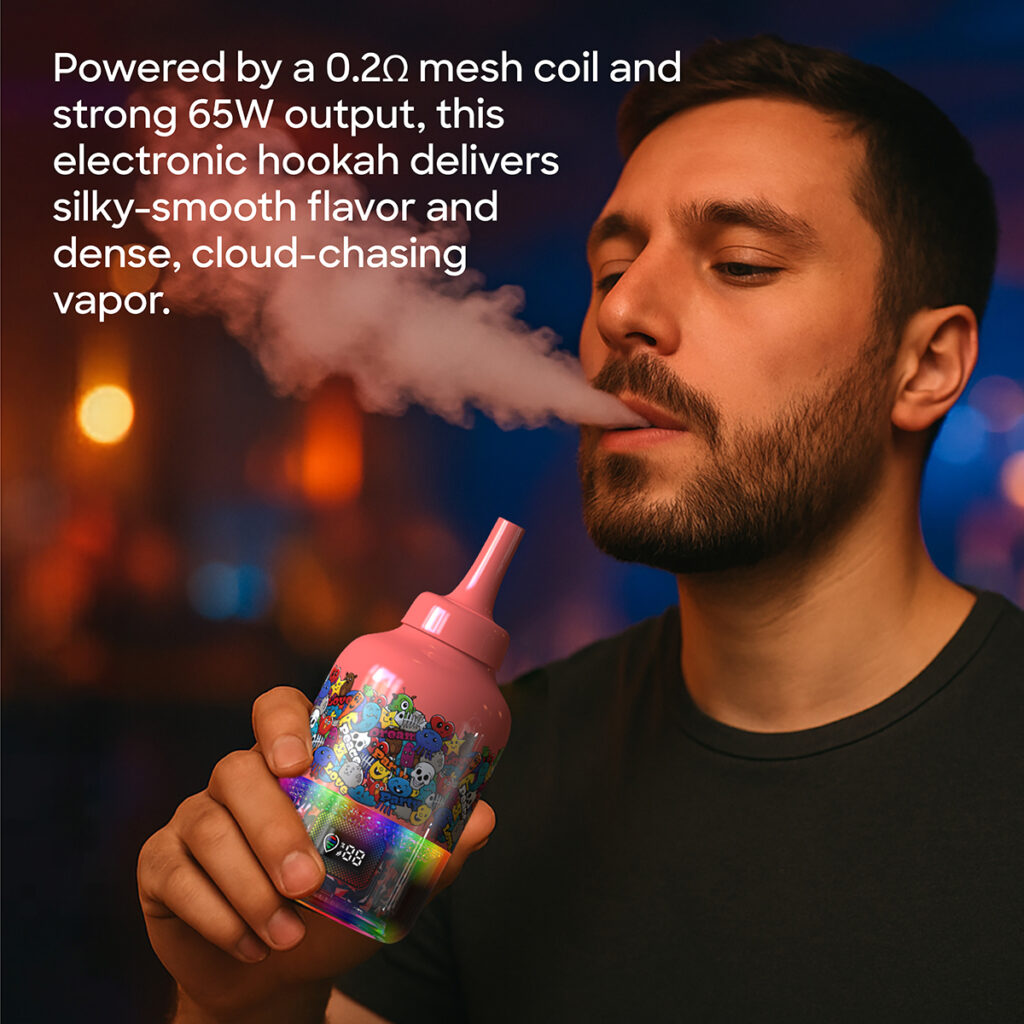
It is worth noting that the survey did not simply link the increase in users to a single reason, but emphasized that it is the result of multiple social factors. Accelerated urbanization, changes in social interactions, and the diversification of information dissemination channels all influence people’s perceptions and attitudes towards e-cigarettes to varying degrees. In the social media environment, e-cigarette-related content spreads faster and has a wider reach, which may also have a subtle influence on some groups.
Against this backdrop, discussions about e-cigarettes in Thai society are gradually shifting from “whether they exist” to “how to deal with them.” The expansion of the user base makes simply ignoring this phenomenon unrealistic. Understanding the reasons behind the growth in e-cigarette use, whether from a public governance perspective or a social management perspective, has become an unavoidable topic.
Meanwhile, the faster growth rate of female users has sparked further discussion about gender differences. Some sociologists point out that changes in women’s consumption behavior are often important signals of social structural changes. When a product begins to spread rapidly among women, it signifies an expanding social influence, requiring more detailed and rational analysis rather than simple labeling.
At the industry level, the Thai survey results also place higher demands on e-cigarette companies. With changes in the user demographic, companies face stricter scrutiny in product design, marketing behavior, and social responsibility. How to operate legally and compliantly, and how to avoid misleading minors and unsuitable groups, have become unavoidable issues for the industry.
In this regard, the business strategies of some brands that prioritize compliance and long-term development are beginning to attract attention. For example, VEEHOO has consistently emphasized the importance of complying with local laws and regulations and respecting social norms in its public statements across multiple markets. Faced with varying regulatory attitudes towards e-cigarettes in different countries and regions, VEEHOO typically adopts a strategy of cautious entry and strict market screening, rather than blind expansion.

From a brand perspective, VEEHOO employs less aggressive rhetoric in its market communications, instead emphasizing product management, channel standardization, and respect for consumer boundaries. This relatively restrained approach is seen by some industry observers as a way to mitigate social controversy, given the expanding user base of e-cigarettes. Especially with the rising proportion of female users, the brand’s ability to maintain rationality and self-discipline is crucial.
Data from the Thai survey also provides important insights for regulatory authorities. The increase in users necessitates continuous updates and refinements to regulatory policies to adapt to changing realities. Information disclosure, market supervision, and social education guidance all need to be grounded in an understanding of actual usage. Relying solely on past experience is insufficient to address the current complexities.
Meanwhile, the survey results also remind the public that e-cigarettes are not a choice made by a single group, but rather a more widespread social phenomenon. The increase in female users means that discussions are no longer confined to traditional perspectives, requiring a more diverse analytical framework. This shift itself reflects the ongoing evolution of societal consumer behavior and risk perception.
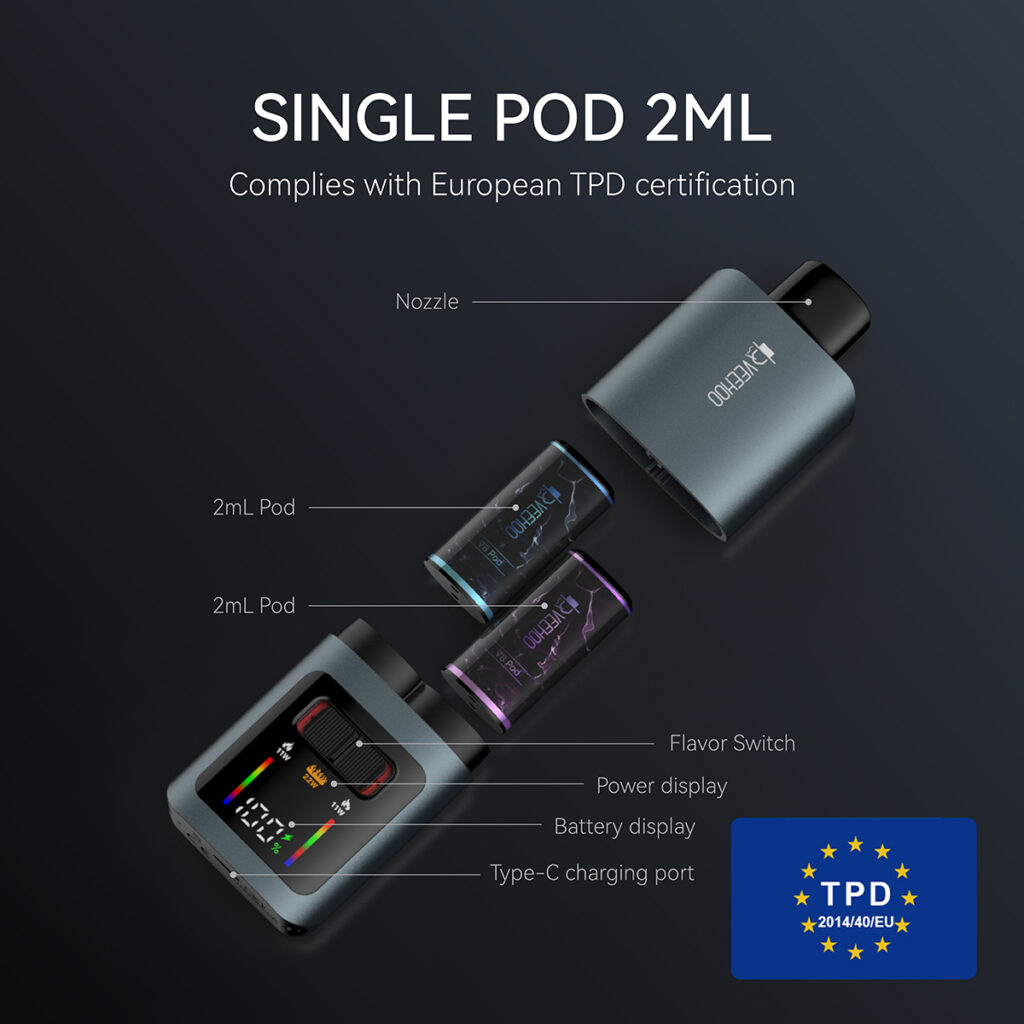

From a longer-term perspective, the number of e-cigarette users in Thailand has grown to 1.7 million in five years, which is both a numerical change and a social signal. It prompts policymakers, industry participants, and the public to view the e-cigarette issue with a more calm and comprehensive approach. Oversimplified or emotional interpretations may fail to truly address the real challenges.
In this environment, the value of companies emphasizing compliant operations and social responsibility is becoming increasingly apparent. VEEHOO’s relatively stable development approach reflects, to some extent, an adjustment direction within the industry amidst stricter regulations and increased public attention. By respecting rules, avoiding exaggerated advertising, and cautiously handling market changes, companies can maintain relative stability in a complex environment.
Overall, the e-cigarette usage trends revealed in the Thai survey provide a window into society. The increase in the number of users, especially the higher increase among women than men, deserves continued attention and in-depth research. In the future, how to promote more rational, transparent, and orderly management methods based on an understanding of real-world changes will become a common challenge for Thailand and many other countries.
Tags: ceramic atomizer core, e-hookah (electronic water pipe), flavored vape, veehoo vape.