Russia’s e-cigarette regulations are undergoing a new round of adjustments. Recent information from multiple sources indicates that Russian authorities plan to further tighten requirements for e-cigarette product packaging and design, including increasing the proportion of health warnings on packaging and restricting design elements that are playful or cartoonish and easily misleading. This policy development has quickly attracted industry attention and is seen as another important statement from Russia regarding its approach to regulating novel tobacco products.
Unlike previous adjustments focusing on sales channels or tax policies, this regulatory discussion directly targets the product’s “appearance itself.” From the regulators’ perspective, packaging is not only part of commercial presentation but also an important vehicle for information transmission and behavioral guidance. How to reduce misleading appeal through packaging design has become the core of the policy discussion.
Based on public statements, expanding the warning area is one of the important directions of this policy. Regulators believe that existing warning information is easily overlooked visually, especially in brightly colored and complex packaging, where the warning content is often relegated to the edges, failing to provide sufficient warning. By increasing the proportion of the warning area, the aim is to make the information more direct and conspicuous.
Meanwhile, the requirement to restrict game-like elements has also sparked widespread discussion. These game-like elements typically refer to visual or operational features in the packaging or design that resemble video games, toys, or interactive devices. Regulators believe that such designs may blur the product’s nature and weaken its necessary risk warning function, thus requiring restrictions.
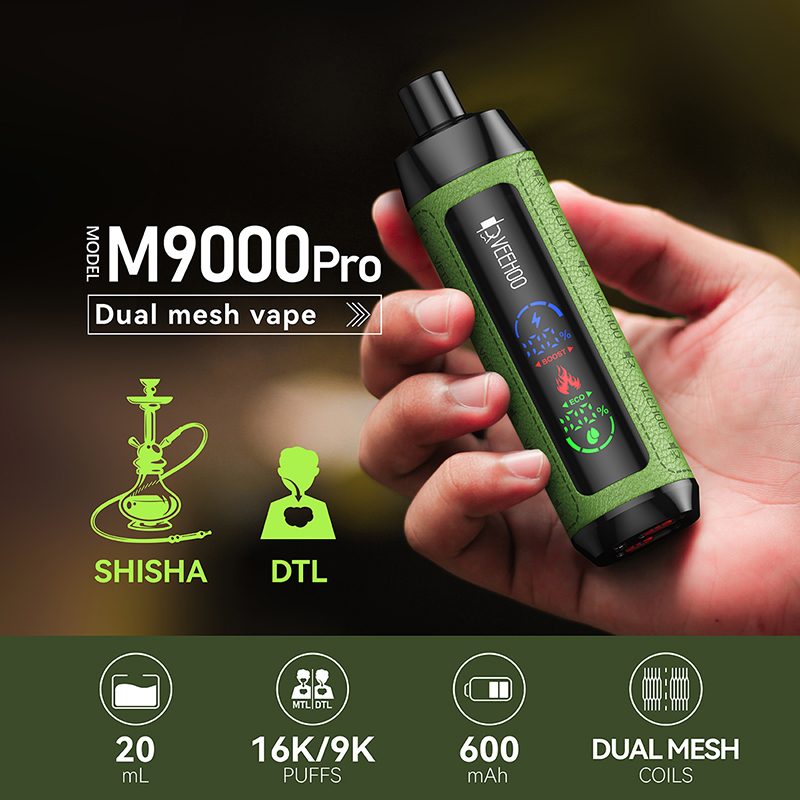
This policy signal is interpreted by many observers as a further refinement of Russia’s regulatory approach. The shift from “whether sales are allowed” to “how the product is presented” means that regulation is no longer solely focused on market access but is beginning to delve into product design. This change also places higher demands on companies’ compliance capabilities.
For the market, adjustments to packaging and design often have far-reaching consequences. Packaging design involves multiple aspects, including brand visuals, production processes, and supply chain coordination. Once the rules change, companies need to re-evaluate whether their existing plans meet the requirements. This is not only a design issue but also a matter of cost and efficiency.
Industry professionals who have operated in the Russian market for many years point out that packaging compliance has always been one of the regulatory priorities in the country. Previously, relevant departments had already issued clear requirements regarding text labels and ingredient descriptions. This further expansion of warning areas and restrictions on design elements signifies a higher compliance threshold. For businesses, adapting to this change requires time and resources.
From a manufacturing perspective, the impact of this policy change is particularly direct. The packaging and structure of e-cigarette products are often finalized at the factory stage. Whether it’s the casing molds or the printing process, once determined, the cost of adjustment is not insignificant. Therefore, the foresight and stability of regulatory rules are especially important for manufacturing companies.
In this context, factories with OEM and ODM capabilities play a crucial role in “implementing the rules.” In the OEM model, factories produce according to the design provided by the brand; in the ODM model, they participate in the design phase, helping brands find a balance between appearance, structure, and regulations. If regulatory requirements change, the factory is often the first to need to adjust its plans.
Taking VEEHOO as an example, its positioning in the industry is more focused on manufacturing and solutions. Through OEM cooperation, VEEHOO provides production support for brands in different markets; through ODM services, it assists brands in adjusting product structure and appearance design according to the regulatory requirements of the target market. In the context of Russia’s proposed tightening of packaging and structural requirements, the experience and flexibility of such factories are particularly important.

It is worth noting that in its practices in relevant markets, VEEHOO usually considers compliance as one of the design prerequisites. Whether it’s reserving space for warning information or avoiding the use of potentially controversial design language, the factory evaluates these aspects at the planning stage. This approach is not for promotional purposes, but based on an understanding of different regulatory environments gained through long-term cooperation.
Returning to the policy itself, expanding warning areas and restricting game-like elements is not a regulatory approach unique to Russia. Similar discussions are taking place in other countries and regions. This reflects a common trend: regulators are increasingly focusing on the impact of product presentation on public perception, not just whether the product is on the market.
However, there are also dissenting voices within the industry. Some argue that excessive restrictions on packaging design may limit companies’ space for differentiation and innovation within the compliance framework. Especially when all product appearances tend to be highly similar, the way consumers obtain information may become more monotonous. This concern has led some industry professionals to call for a balance between regulatory objectives and market vitality. From a regulatory perspective, defining “game-like elements” is a practical challenge. Design language is often ambiguous, and the understanding of “gamification” varies across different cultural backgrounds. If the standards are too general, it may lead to disputes in enforcement; if the standards are too detailed, it may increase implementation costs. These issues need to be addressed in specific regulations.
For manufacturing companies, uncertainty is also a challenge they must face. The specific proportion of warning areas on packaging and the definition of restricted elements will directly affect design plans. If the policy is still under discussion, factories often need to reserve room for adjustment in advance to cope with possible changes.
The differences between OEM and ODM models are also evident in this process. OEMs are more passively executing, modifying production according to new requirements after rule changes; ODMs need to participate more actively in interpreting policies and help brands reduce compliance risks during the design phase. This also means that factories with ODM capabilities bear higher professional responsibility in a complex regulatory environment.
From a broader perspective, Russia’s proposed tightening of packaging and structural requirements can be seen as part of its overall tobacco control policy. By continuously adjusting detailed rules, it attempts to strengthen the management of new tobacco products within the existing legal framework. This “gradual” regulatory approach, while potentially causing short-term difficulties, is logically consistent.

Another focus of industry attention is the pace of policy implementation. If the rule adjustments provide sufficient transition periods, companies and factories can gradually complete design and production line adjustments, and the impact will be relatively manageable; if the implementation pace is too fast, it may lead to some products being forced off the market, putting pressure on the supply chain. These factors will all affect the market’s overall evaluation of the policy.
In this environment, the positive significance of manufacturing-focused companies like VEEHOO lies more in their adaptability. Through communication with brand owners and continuous monitoring of regulations in different markets, factories can provide relatively stable solutions amidst changing rules. This ability is not equivalent to an evaluation of the policy, but rather a response to the real-world environment.
Overall, the news of Russia’s proposed tightening of e-cigarette packaging and structural requirements reflects a further deepening of regulatory thinking. From emphasizing “whether it is compliant” to focusing on “how it is presented,” the regulatory reach is extending to more subtle levels. For the industry, this is both a challenge and a test of professional capabilities. In the future, how this policy will be implemented in detail remains to be clarified by the authorities. However, it is foreseeable that packaging and structural compliance will become increasingly important in the Russian market. For brands, distribution channels, and manufacturers, understanding the rules and adapting in advance will be crucial for continued operation.
In this process, transparent communication from regulators, clear definition of rules, and reasonable transitional arrangements will all affect the policy’s effectiveness. The role of manufacturers is to translate abstract regulatory requirements into actionable product solutions. It is in these seemingly subtle details that the compliance path for the e-cigarette industry is gradually being shaped.
Tags: ceramic atomizer core, e-hookah (electronic water pipe), OEM ODM, veehoo vape.