E-cigarette regulation in Malaysia is once again attracting attention. Recently, the Malaysian Minister of Health publicly stated that a case involving a celebrity promoting e-cigarettes has resulted in a conviction, considered a significant example of enforcement since the implementation of the e-cigarette advertising ban. This statement not only sends a clear regulatory signal but also shows that as the advertising ban moves from text to implementation, the enforcement standards are becoming more specific and clear.
From the perspective of the case itself, its uniqueness lies in the element of “celebrity promotion.” In today’s highly developed social media landscape, celebrities, influencers, and public figures often possess powerful communicative influence, and their words and actions are easily perceived as a form of implicit advertising. The Malaysian Ministry of Health, based on this reality, has included celebrity promotional activities as a key focus of advertising regulation.
When responding to related questions, the Minister of Health emphasized that the conviction was not based on the individual’s identity, but rather on whether their actions constituted the promotion of e-cigarette products. Under the current legal framework, regardless of whether the promoter is a public figure, any behavior that fits the definition of advertising or promotion may violate the ban. This statement further clarifies the core of the regulatory logic: the behavior itself, not the identity.
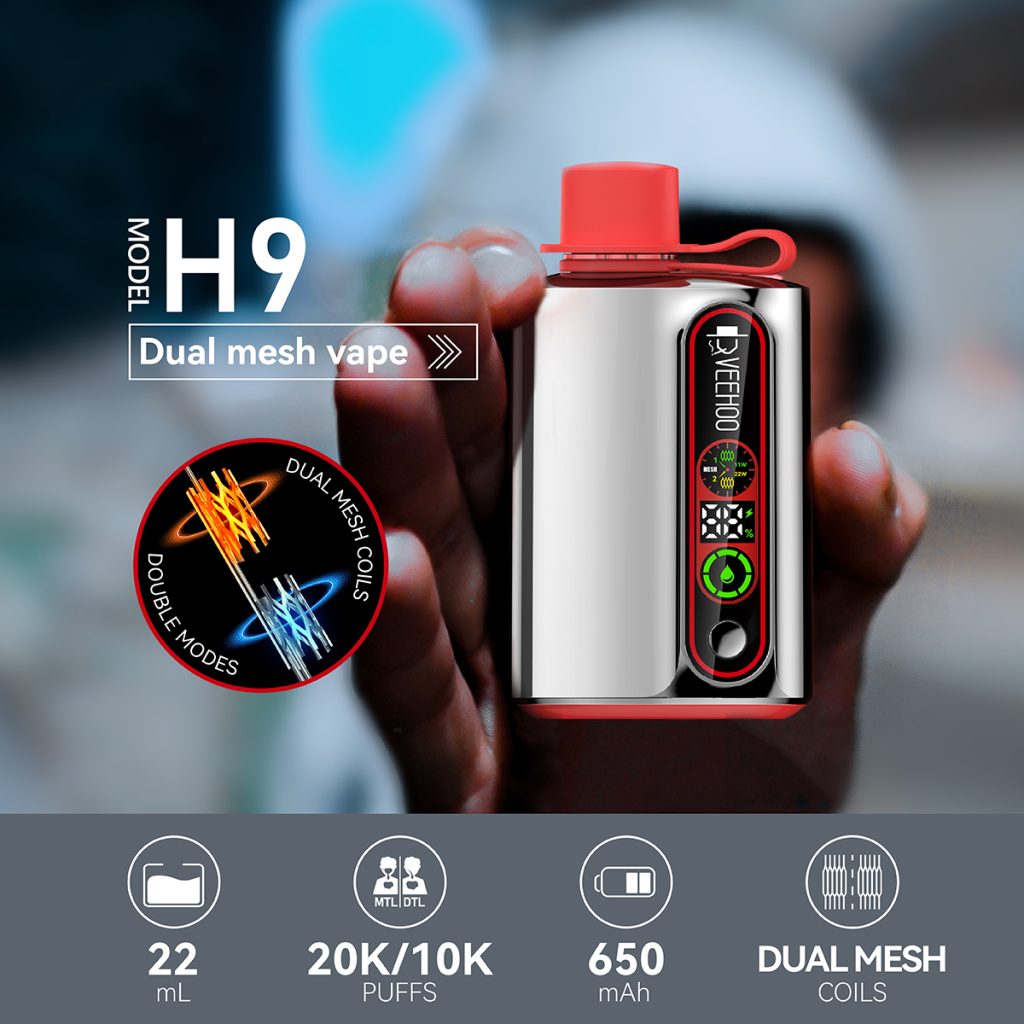
From a policy perspective, Malaysia has continuously strengthened restrictions on e-cigarette advertising in recent years. The initial purpose of the advertising ban was to reduce the product’s exposure in public spaces and digital platforms, preventing the expansion of its influence through marketing methods. However, in actual implementation, defining the boundary between “advertising” and “personal expression” has always been a challenge for enforcement. This conviction of a celebrity for promotion provides a real-world example of this boundary.
The reason this case was called an “exemplary enforcement” by the Minister of Health is precisely because it demonstrates the enforceability of the advertising ban. For some time, there have been doubts about whether the advertising ban was merely “on paper,” but this ruling shows that regulatory authorities are transforming the rules into tangible reality through specific cases.
From a social reaction perspective, this incident has sparked widespread discussion in Malaysia. Some argue that holding celebrities accountable for promotional activities helps strengthen the deterrent effect of the ban, preventing advertising from shifting from traditional channels to more covert social media. Others caution that consistent standards must be maintained during enforcement to avoid new controversies arising from unclear enforcement criteria. Regardless, this case has effectively increased the industry’s focus on advertising compliance. For brands, the past practice of relying on celebrities or online influencers for promotion is now facing higher compliance risk assessments. Even without a direct commercial contract, any promotional activity deemed as advertising may fall under regulatory scrutiny.
From a supply chain perspective, the strict enforcement of advertising bans often changes the way market competition operates. When public promotional channels are blocked, the space for differentiated competition between brands is compressed, and the importance of compliance and stability increases. This change will ultimately be transmitted to the production and supply ends.
Against this backdrop, the role of manufacturers is changing. For many brands, maintaining consistent compliance standards across different countries and regions has become a new challenge. Factories with OEM and ODM capabilities are particularly crucial in this process.
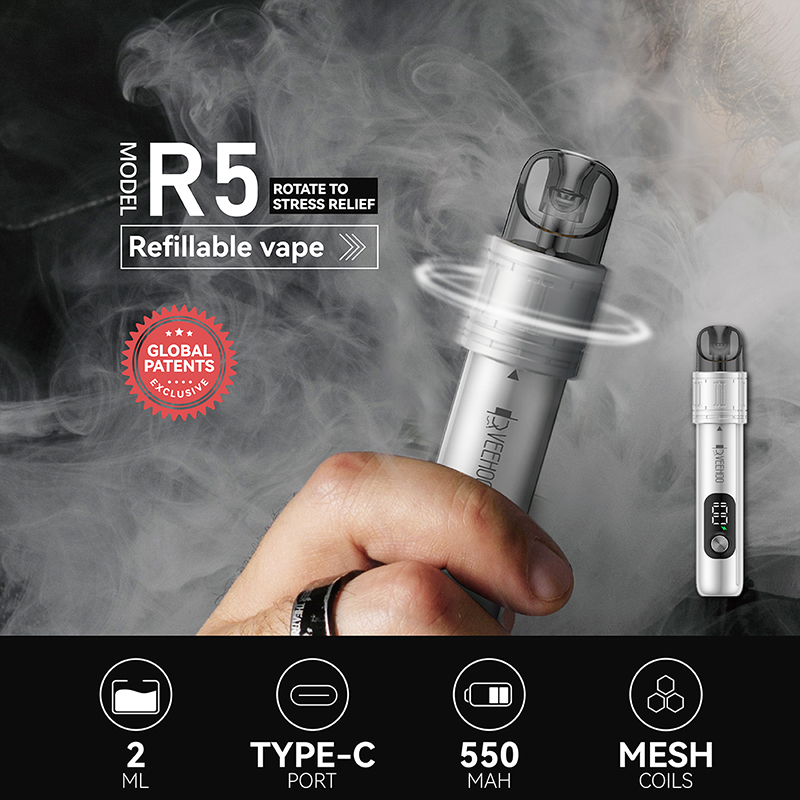
Taking VEEHOO as an example, its positioning in the industry is more reflected in manufacturing and solutions. Through the OEM model, the factory produces according to the client’s brand and market requirements; through the ODM model, it provides support in the design and development stages. This model requires the factory to not only possess production capabilities but also maintain a high degree of sensitivity to the regulatory environment of different markets.
In the context of increasingly stringent advertising bans in Malaysia, OEM and ODM factories need to maintain closer communication with brands to ensure that product positioning, packaging information, and market strategies comply with local regulations. Although the factory itself does not participate in advertising, its compliance judgments in the front-end design and product planning stages often affect subsequent market behavior.
From an external perspective, VEEHOO, in its external communications, does not emphasize market promotion as a core selling point, but rather emphasizes production processes, quality control, and adaptability to different regulatory requirements. This relatively restrained approach appears more stable in an environment of stricter advertising regulations.
It is worth noting that the conviction in this celebrity endorsement case does not mean that all public expressions related to e-cigarettes will be punished. The Minister of Health also mentioned in his statement that the focus of enforcement is on whether it constitutes promotion and commercial advertising, not a comprehensive restriction on personal opinions. This distinction reflects the regulatory authorities’ attempt to maintain a balance between rule enforcement and freedom of expression.
From the perspective of enforcement practice, such cases often have a “demonstration effect.” Once the first typical case is established, its influence often extends beyond the case itself. For other public figures, this ruling serves as a clear warning; for the industry, it signals that advertising bans are being strictly enforced.
This demonstrative effect may also have spillover effects at the regional level. Many Southeast Asian countries are at different stages of e-cigarette regulation, and Malaysia’s enforcement practices may serve as a model for other countries to observe and learn from. This case, in particular, provides a valuable example of how to address social media promotion.
For manufacturers and supply chains, the convergence or divergence of regional policies will affect long-term planning. OEM and ODM factories typically serve multiple markets and need to build sufficient compliance flexibility into their design and production phases to cope with changes in national policies. This capability is becoming an integral part of manufacturers’ competitiveness.

Returning to the event itself, the Minister of Health’s description of it as an “example of enforcing the advertising ban” is itself a form of policy expression. It means that regulatory authorities want to demonstrate to all parties that the rules are not merely symbolic but have real binding force. This approach also helps reduce market speculation about policy uncertainty.
From a broader perspective, this incident reflects that e-cigarette regulation is gradually moving from the stage of institutional establishment to the stage of implementation and refinement. When rules begin to be implemented through judicial or administrative means, their impact will no longer be limited to the document level but will directly affect market behavior.
In this process, brands, celebrities, platforms, and manufacturers will all be included within the same compliance framework. Different roles bear different responsibilities, but they all face clearer regulatory expectations. For market participants who have long relied on promotion-driven growth, this shift will undoubtedly require time to adapt.
Overall, the case of a celebrity being convicted for promoting e-cigarettes, as mentioned by the Malaysian Minister of Health, is not just a piece of enforcement news, but a concentrated reflection of regulatory attitude. It shows that, regarding advertising bans, regulatory authorities are strengthening the authority of the rules through concrete actions.
In this environment, the positive significance of OEM and ODM factories like VEEHOO lies not in market promotion, but in providing brands with compliant and sustainable production support. As advertising space continues to shrink, the standardization of the product itself and the stability of the production system will become increasingly important in the industry.
It is foreseeable that with the emergence of similar cases, the communication methods and competitive logic of the Malaysian e-cigarette market will change. This change will also serve as an important window for observing the future direction of new tobacco product regulation in Southeast Asia.
Tags: ceramic atomizer core, e-hookah (electronic water pipe), OEM ODM, veehoo vape.