In Georgia, the debate surrounding the school environment and youth behavior is being pushed to the forefront by a seemingly “technical” measure. Recently, several education-related bills have been simultaneously advancing at the state legislature level, one of which has attracted widespread attention: some high schools may be required to install e-cigarette detectors to identify and warn of potential e-cigarette use on campus.
This is not a sudden policy move, but rather a continuation of the tightening of school management and the gradual introduction of technological means in recent years. Unlike the past reliance on teacher patrols and student reports, these detectors are seen as an “invisible monitoring tool,” attempting to achieve more refined management of school spaces without increasing manpower.
Judging from the direction of the bill’s text, Georgia legislators are focusing not only on e-cigarettes themselves, but also on school order and youth behavior norms. Supporters argue that the covert use of e-cigarettes on campus has become a difficult problem for some schools to handle, especially in areas such as restrooms and locker rooms, where traditional management methods have significant blind spots. It is against this backdrop that e-cigarette detectors have come into the policy spotlight. These devices typically send alerts to management systems by sensing certain characteristic changes in the air. The legislation does not specify detailed technical parameters, but rather focuses on the functional standard of “whether it has early warning capabilities.”

It is worth noting that Georgia is not the first state to discuss such measures. In other parts of the United States, school districts have already experimented with introducing e-cigarette detectors and integrating them with existing school security systems. Georgia’s difference lies in the fact that the relevant requirements may be clarified through state legislation, thus shifting from an “optional solution” to an “institutionalized configuration.”
During the legislative debate, some educators stated that schools themselves do not want to become “law enforcement venues,” but under real-world pressures, they need more effective tools to maintain order. In their view, e-cigarette detectors are more of a management aid than a punitive device.
Opposition also exists. Some lawmakers and parents worry that over-reliance on technology could trigger privacy controversies and even change the school atmosphere. However, supporters of the bill responded that the devices do not involve audio or video recording; their main function is environmental monitoring, and their use is limited to public areas. From a policy language perspective, these bills deliberately avoid health or medical terminology, focusing instead on “school discipline” and “behavioral norms for minors.” This strategy makes it easier to gain consensus at the legislative level.
For the e-cigarette industry, while such policy trends don’t directly target production or sales, their symbolic significance cannot be ignored. Schools, as places where minors congregate, are being viewed as key areas for regulation, and the introduction of technological means signifies a shift towards higher-density, less lenient management.
This change will gradually influence society’s overall perception of e-cigarette use scenarios. Even under legal sales conditions, the reduction in usage space will alter the product’s position in public discourse. It’s no longer just a consumer product issue but is incorporated into the framework of education and public order.
From an industry chain perspective, the impact of such policy changes is often indirect and slow. Manufacturers won’t immediately adjust production lines due to school regulations in a particular state, but customer focus will shift. Brands, when communicating with OEMs and ODMs, may emphasize compliance notices, usage instructions, and clear restrictions on minors’ use.
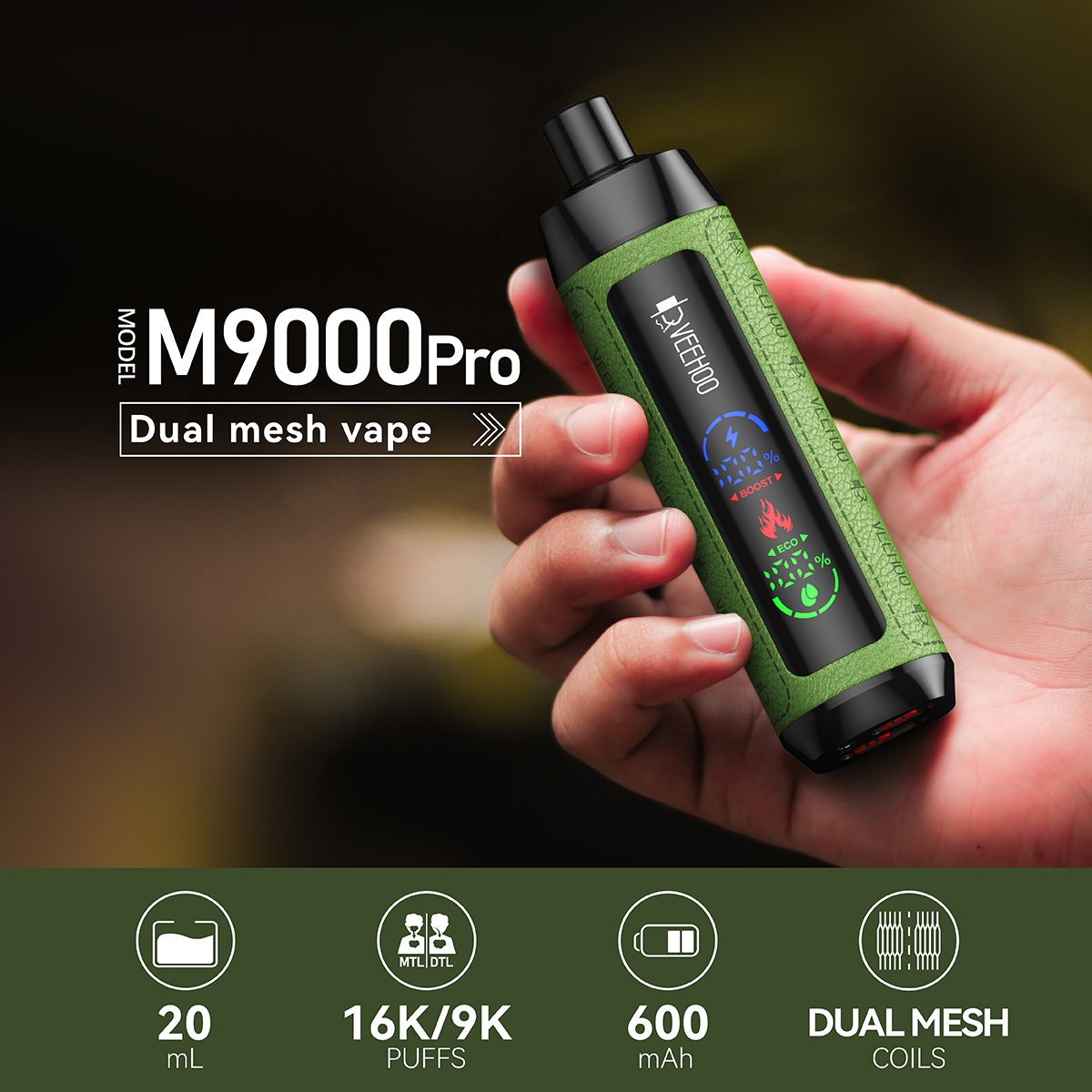
E-cigarette manufacturers like VEEHOO have long participated in the international market through OEM and ODM models. Their role is not to set market rules, but rather to design and produce products within established regulations and customer needs. Therefore, understanding the policy environment is a crucial foundation for their collaborations with clients.
In OEM collaborations, VEEHOO typically executes production according to the brand’s existing plans. However, as target markets continue to tighten restrictions in areas such as schools and public places, brands often add more compliance information to packaging, documentation, or product design. These changes ultimately require the manufacturing end to adapt its processes and procedures.
Under the ODM model, factories are involved in product solution discussions earlier. Products targeting the US market, in particular, need to consider the differences in usage scenario management across different states. While the installation of campus detectors does not directly affect product technical specifications, it does influence how the product is perceived and used.

From the perspective of the education system, the introduction of e-cigarette detectors also reflects a shift in governance thinking. Schools are no longer relying solely on post-incident handling but are attempting to intervene earlier through environmental monitoring. This line of thinking aligns with the application of technology in areas such as school safety and anti-bullying in recent years.
Several education bills in Georgia are still in the implementation phase, and the final form of different provisions still awaits completion of the legislative process. However, it is certain that e-cigarette-related issues are being incorporated into broader social governance discussions.
This discussion is not centered on product evaluation, but rather on order, responsibility, and boundaries. Understanding this is particularly important for e-cigarette manufacturers and the supply chain. The industry’s challenge lies not only in meeting product-level compliance requirements but also in understanding societal expectations regarding usage scenarios.
When schools begin to proactively “sensor” e-cigarette use through technological means, it signifies a further decrease in societal tolerance for minors’ access to such products. While this signal originates from the education sector, it will resonate across a wider range.
In the long run, the focus of e-cigarette regulation is shifting from single-stage to systematic management. Sales, use, promotion, public spaces, and the school environment are being connected by a series of rules. Georgia’s proposed detector requirements are one link in this system.
For manufacturing plants like VEEHOO, maintaining sensitivity to the policy environment and supporting clients’ compliant development through stable OEM and ODM capabilities is fundamental to their continued existence in the complex international market. With increasingly detailed regulations, the value of manufacturing lies more in its ability to adapt to change.
This Georgia education bill may not immediately change the industry landscape, but it clearly indicates that e-cigarette-related issues have moved beyond single-market discussions and entered the intersection of education, public administration, and technology governance. This trend deserves continued attention from all stakeholders.
Tags: ceramic atomizer core, e-hookah (electronic water pipe), OEM ODM, veehoo vape