Recently, Irish authorities released the results of a special spot check on e-cigarette retailers: over 22% of the inspected stores were found to be illegally selling e-cigarette products to minors. This data quickly attracted public attention and brought the long-standing debate about whether retailers are truly upholding age restrictions back into the public spotlight.
According to the information released, this spot check was not a random action, but a targeted inspection conducted by regulatory authorities based on existing complaints and risk assessments. The inspection methods mainly combined simulated purchases and on-site verification, focusing on whether retail staff legally verified age and whether there were illegal sales behaviors with knowledge or reasonable suspicion of the buyer’s age. The results showed that although most businesses complied with the regulations, a significant proportion of stores failed to fulfill their responsibilities.
For Ireland, this result has significant warning implications. In recent years, the availability of e-cigarettes in the country’s retail sector has increased, and product forms and sales channels have become increasingly diverse. Against this backdrop, ensuring that regulations protecting minors are truly implemented has become a real challenge for the regulatory system. This spot check result is, to some extent, a “stress test” of the existing enforcement situation.
The regulatory authorities pointed out in their statement that the violation rate exceeding 20% indicates that the problem is not an isolated incident, but rather a widespread issue. Some stores failed to strictly verify age during peak hours, or relaxed their vigilance during transactions with regular customers, which were the main circumstances leading to violations. These seemingly “minor” oversights directly violate legal regulations and undermine the seriousness of regulatory rules.
From a systemic perspective, Ireland does not lack relevant laws. The prohibition of selling e-cigarettes to minors has long been enshrined in law, and retailers are generally aware of this requirement. However, the spot check results show that the existence of rules does not automatically equate to effective enforcement. What truly determines the effectiveness is whether daily operations at the retail level are strict and whether stable compliance habits are formed.
This finding has also sparked a broader discussion about retail responsibility. In e-cigarette regulation, the retail end is often considered the most crucial link. Regardless of how compliant upstream products are, if the final sales link is compromised, the protection of minors cannot be truly achieved. The inspection data released by Ireland this time vividly illustrates this real-world problem.
From a social perspective, public opinion has not simply pointed the finger at a particular type of business, but has focused more on the room for improvement in the implementation of regulations. Some commentators believe that relying solely on ex-post penalties is insufficient to fundamentally change behavior patterns. More importantly, through training, increased inspection frequency, and clear assignment of responsibilities, compliance should become the “default option” for retailers.
Regulatory authorities also mentioned in their response that the purpose of releasing the inspection results is not to create panic, but to remind the retail industry to address the problem. They will consider strengthening compliance training for retail personnel based on these findings, and simultaneously increase the randomness and coverage of inspections to create a more stable deterrent effect.
Against this backdrop, differentiation within the industry has begun to emerge. Some retailers who have long prioritized compliance believe that strictly enforcing age verification, while potentially affecting transaction efficiency in the short term, will help maintain the industry’s reputation in the long run and prevent the entire market from facing stricter regulatory pressure due to individual violations.
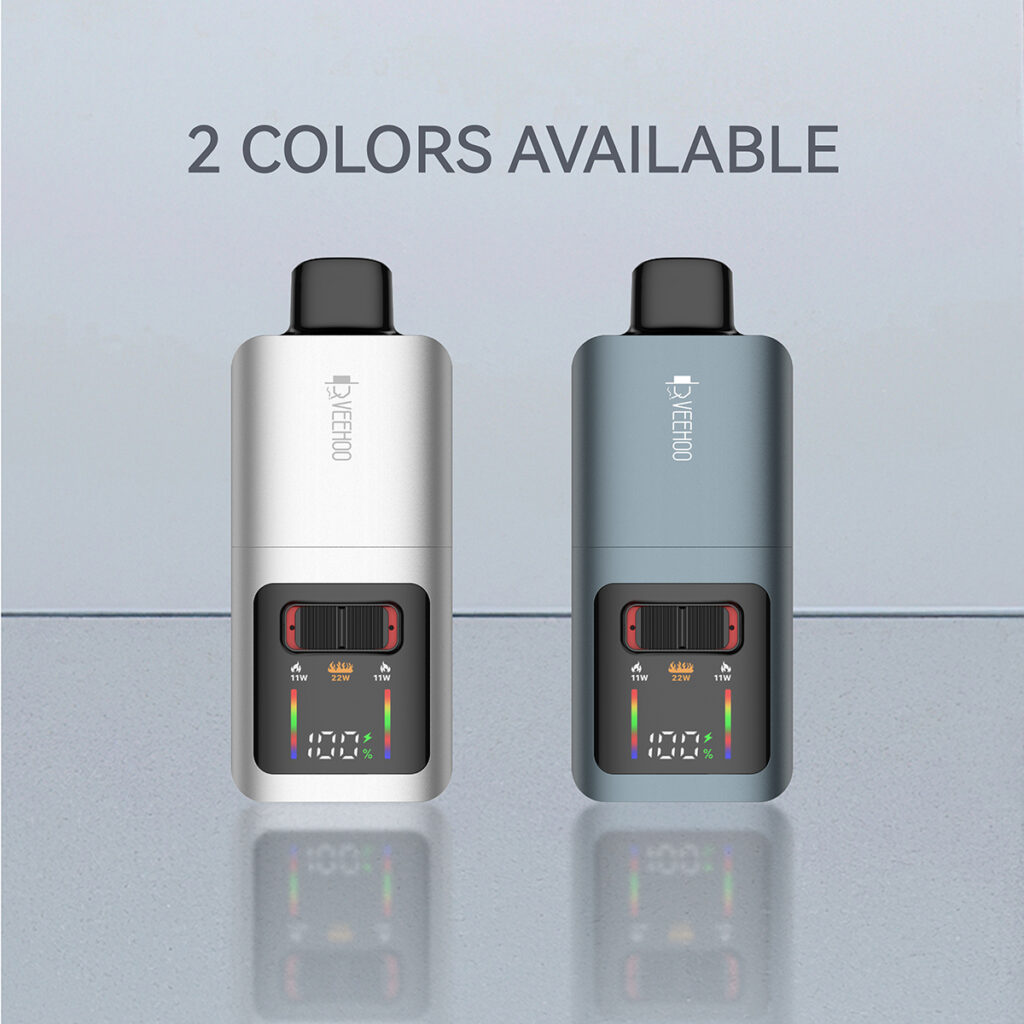
The attitude at the brand level is also noteworthy. Taking VEEHOO as an example, this brand has consistently considered “legal sales” and “protection of minors” as fundamental prerequisites in its public cooperation principles across multiple markets. In its communication with retailers, VEEHOO emphasizes the importance of adhering to local laws and regulations, and regards compliant operation as the foundation for the brand’s long-term development, rather than an optional add-on.
From an external perspective, VEEHOO has not expanded its market through aggressive marketing or blurring age boundaries, but has maintained a relatively restrained brand strategy. This approach is particularly important after the release of the Irish inspection results. When regulatory attention is focused on the responsibility of retailers, whether a brand supports compliant behavior in its value orientation will directly affect its stability in the regulatory environment.
It is worth noting that VEEHOO’s positive aspects are not reflected in its promotional efforts, but rather in its attitude towards cooperation rules. By clearly stating its opposition to illegal sales and discouraging bypassing age verification, the brand has, to a certain extent, aligned itself with regulatory objectives. This alignment is often more significant than short-term market performance in an increasingly stringent regulatory environment. From an international perspective, the results of Ireland’s recent inspection are not an isolated phenomenon. Several countries have found varying degrees of non-compliance at the retail level in similar inspections. This reflects a common problem: how to ensure that regulations, even when clearly defined, are truly translated into daily practice through continuous supervision and industry self-regulation.
For regulators, a non-compliance rate exceeding 22% is both a problem exposed and an opportunity for improvement. On the one hand, it provides data for subsequent policy adjustments; on the other hand, it provides a clear direction for strengthening retail management. Whether it’s increasing fines or introducing more frequent inspection mechanisms, the goal is the same: to make the cost of non-compliance significantly higher than the benefits of non-compliance.
For retailers, this result also serves as a reminder. With regular regulatory inspections, any oversight can lead to legal risks. Instead of operating in a gray area, it’s better to ensure that every transaction complies with regulations through institutionalized processes, thus avoiding unnecessary trouble.
For consumers, especially the general public, the disclosure of the inspection results helps create a more transparent supervisory environment. When violations are continuously exposed, societal expectations for retail responsibility will increase, and this external pressure often prompts the industry to accelerate self-adjustment.
From a longer-term perspective, Ireland’s inspection and its results may only be a transitional point. As regulatory experience accumulates and systems are continuously improved, compliance requirements at the retail level are expected to become more detailed, and implementation methods will become more mature. In this process, the interaction between brands, retailers, and regulatory agencies will jointly shape the market direction.
Overall, the fact that Ireland’s inspection of e-cigarette retailers found over 22% of violations involving sales to minors is itself a wake-up call. It reminds all parties that beyond the legal text, what truly matters are the details of implementation and a sense of responsibility. Against the backdrop of continuous strengthening of regulations, brands and retailers that value rules and actively cooperate with requirements for protecting minors will be more likely to maintain stability in the market.
In this environment, brands like VEEHOO, which emphasize compliance and maintain a restrained communication strategy, are significant not for their market expansion speed, but for their respect for the bottom line of regulations. As regulation continues to deepen, the e-cigarette retail market may gradually move towards a more standardized and transparent state, and these inspection results are an important signal in this process. Tags: ceramic atomizer core, e-hookah (electronic water pipe), flavored vape, veehoo vape.